Current Exhibition · Gstaad, Switzerland

Vito:
Drift Notes

Works made over twenty-two years

15 February – 10 June 2026

Oldenhornstrasse · Gstaad
Private residence · By introduction

View Exhibition
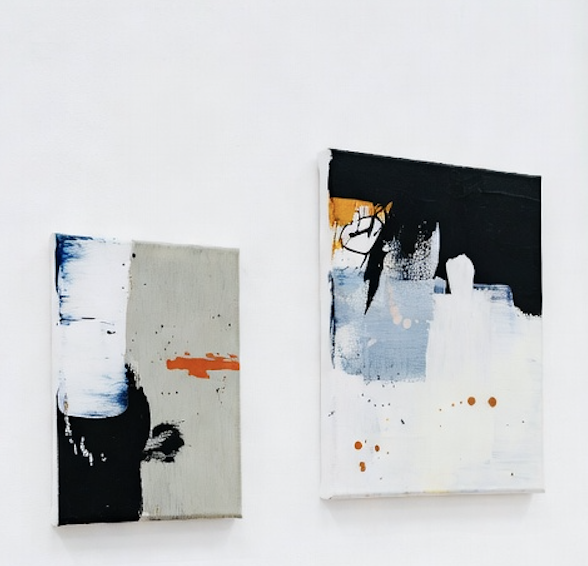
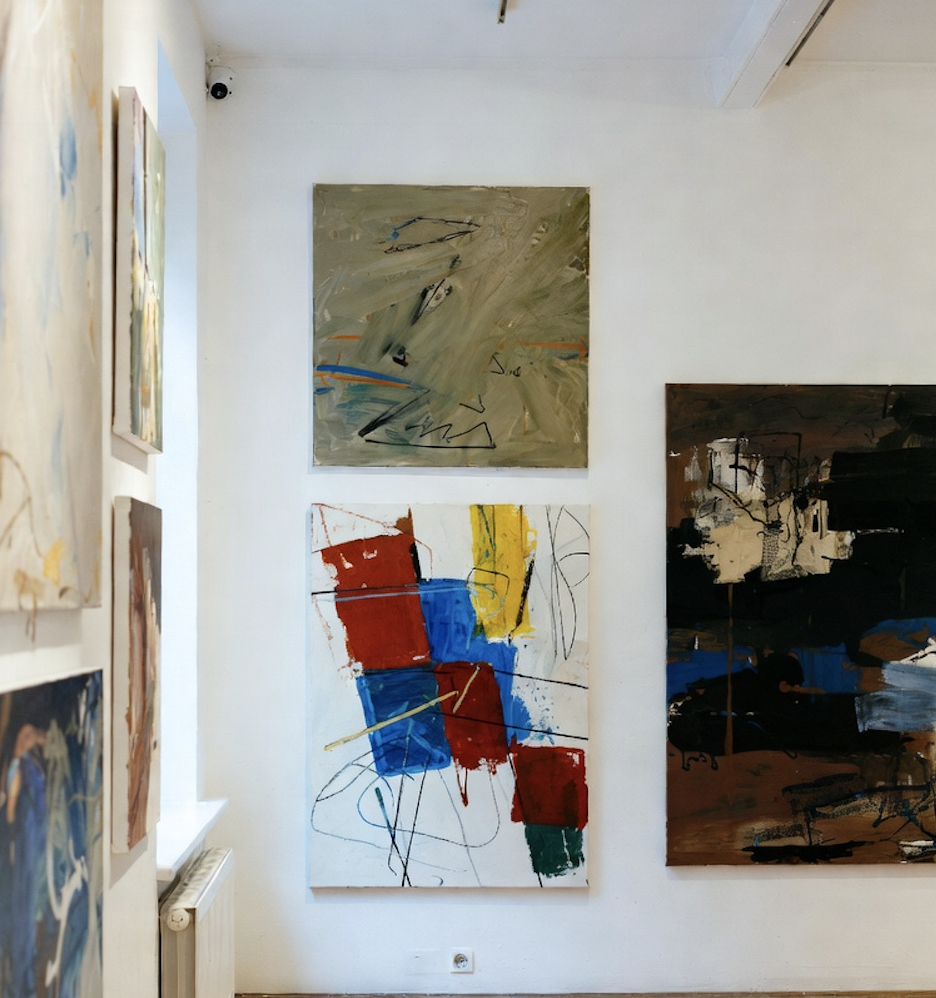
Vito: Drift Notes, installation view
Upcoming · Art Basel 2026The gallery participates in the Statements sector — Art Basel, June 2026View Artists →
Exhibition Statement

Wandering as Method.
Memory as Material.

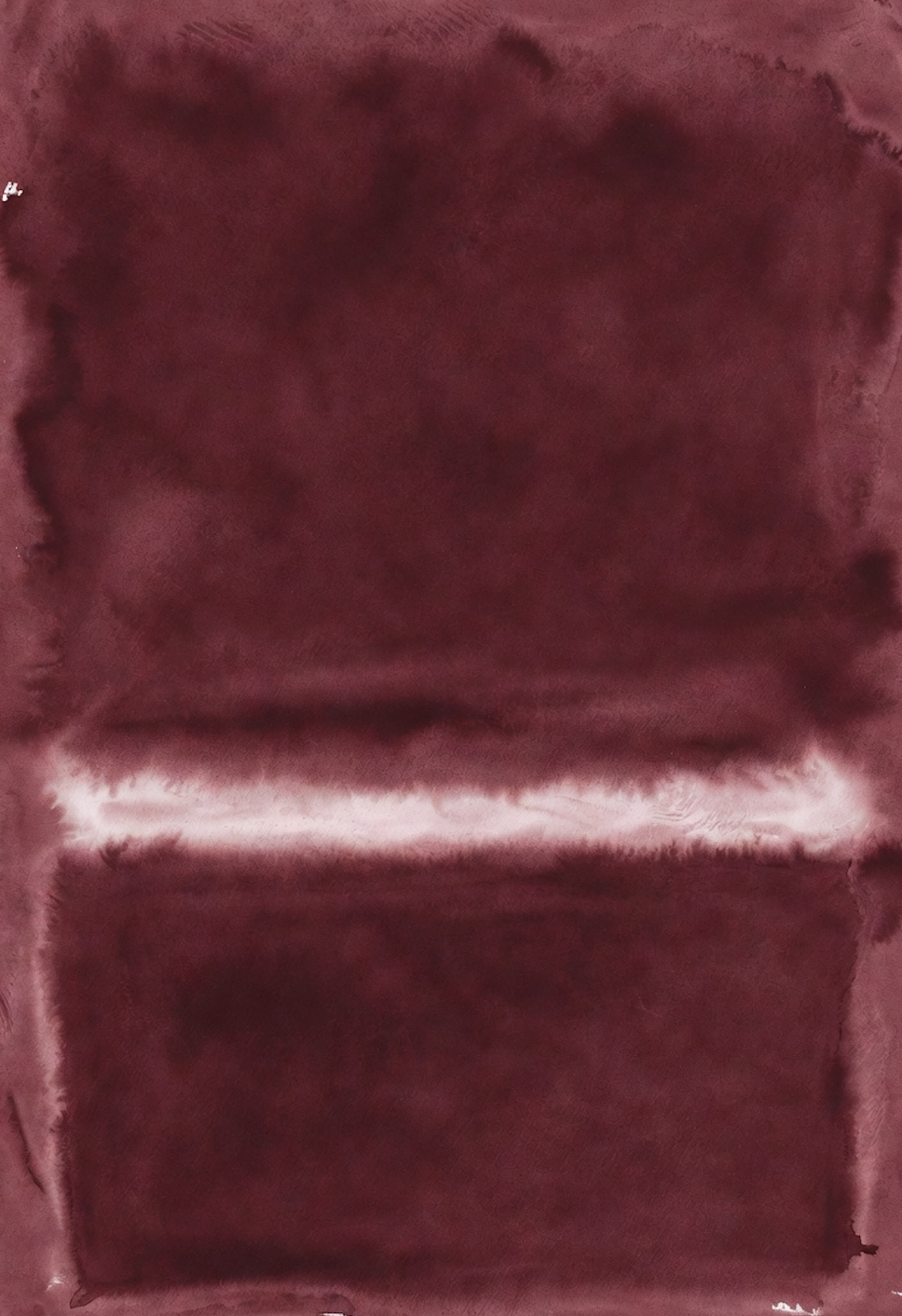
Vito: Drift Notes is an exhibition of works made over twenty-two years and across four continents. The exhibition refuses the fixed itinerary. In Vito's practice, displacement is not a condition to be overcome but a generative state — the necessary distance from which form becomes possible.

Each canvas corresponds to a city, a season, a threshold state. Nordic melancholia, North African talismanic signs, and the weathered surfaces of abandoned Mediterranean villas collide on linen and raw canvas. What accumulates is not a portrait of place but a record of attention: sustained, patient, and resistant to resolution.

Full Exhibition Details
Vito: Drift Notes, detail

Selected
Artists

The gallery works with a small number of artists through ongoing relationships with private patrons. These arrangements evolve over time, guided by shared interests in the development and placement of work.

Work by Vito

Vito

New York / Reykjavik / Marrakech

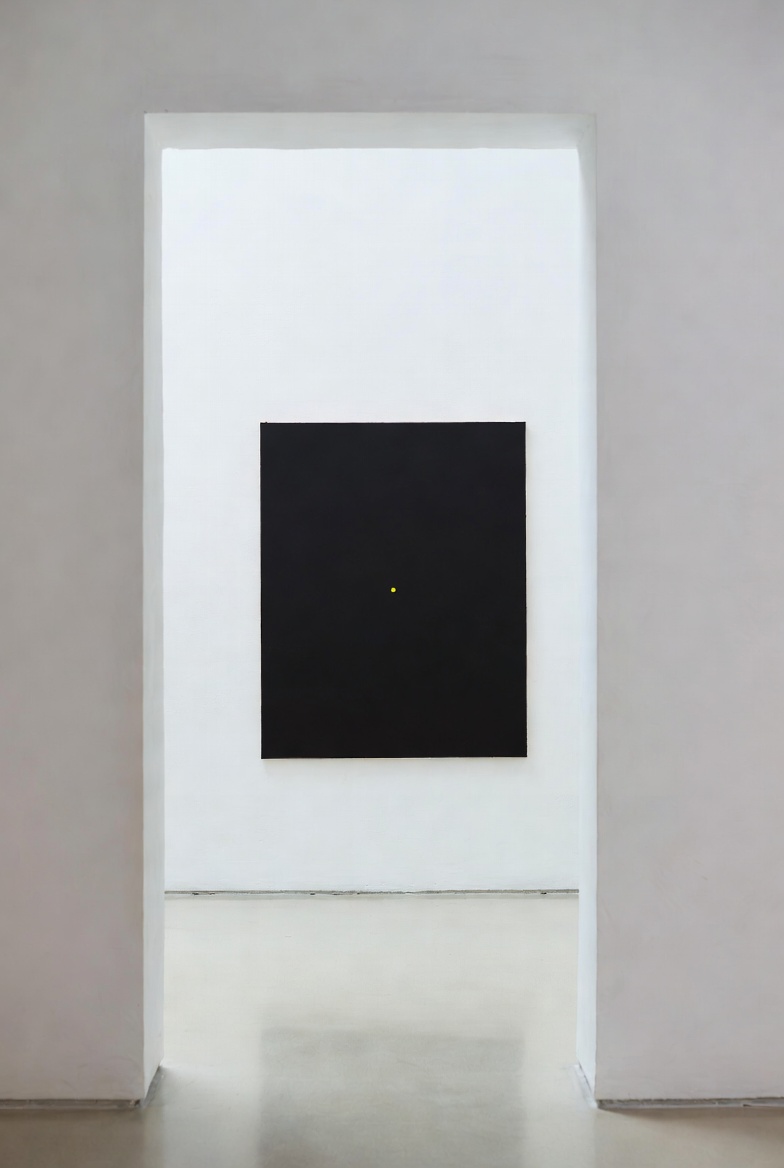
Drift Notes — Oil on linen, charcoal on handmade paper, and pigment on raw canvas. Works spanning 22 years.
Work by Lukas Brenner

Lukas Brenner

Zurich

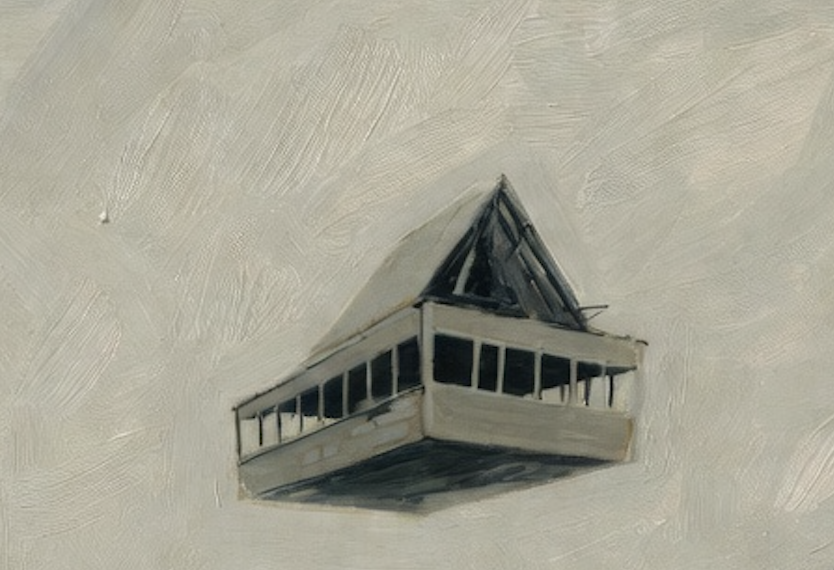
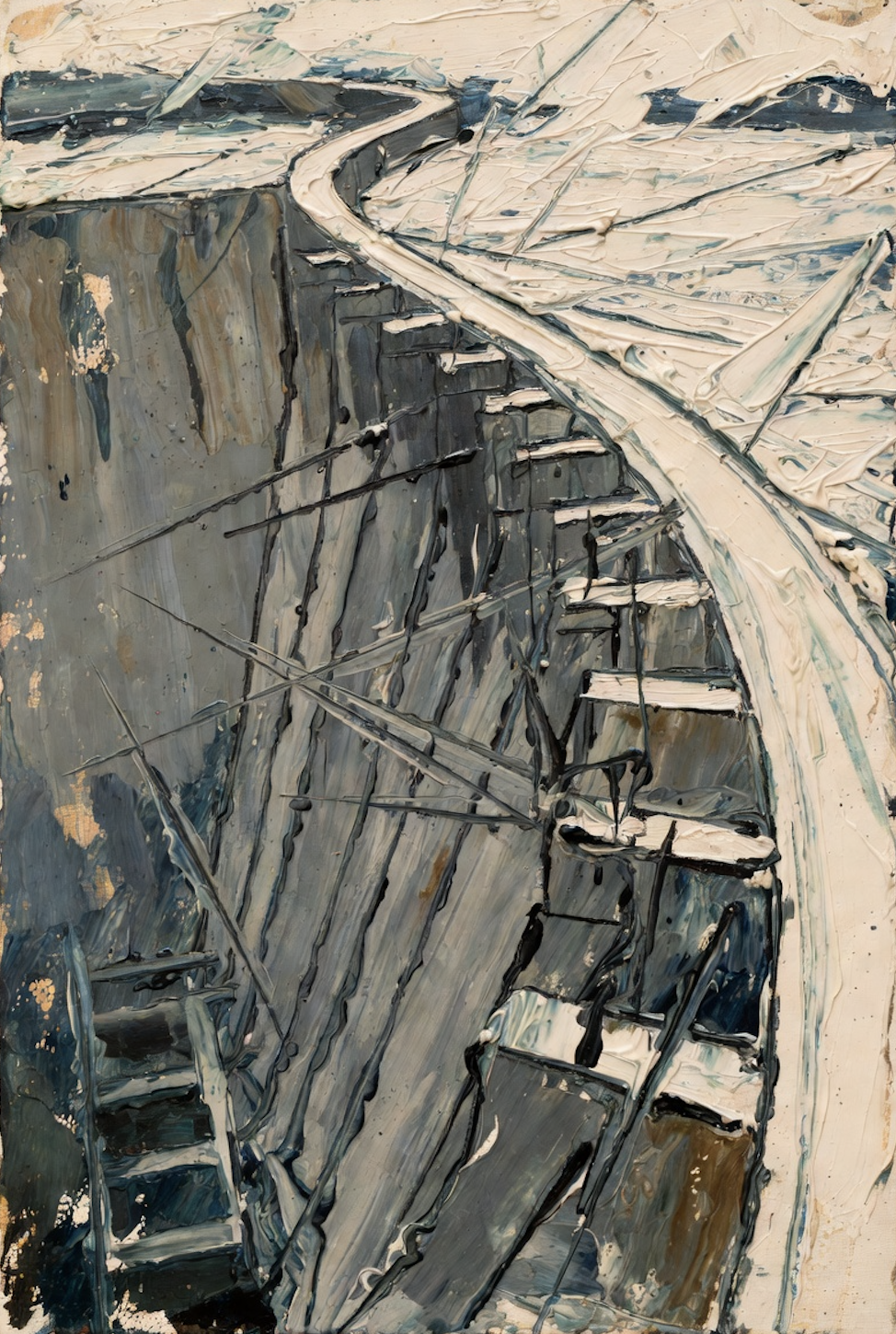
Stillstand — Large‑format oil paintings of alpine infrastructure drained of human presence.
Work by Marlene Hofstetter

Marlene Hofstetter

Berlin

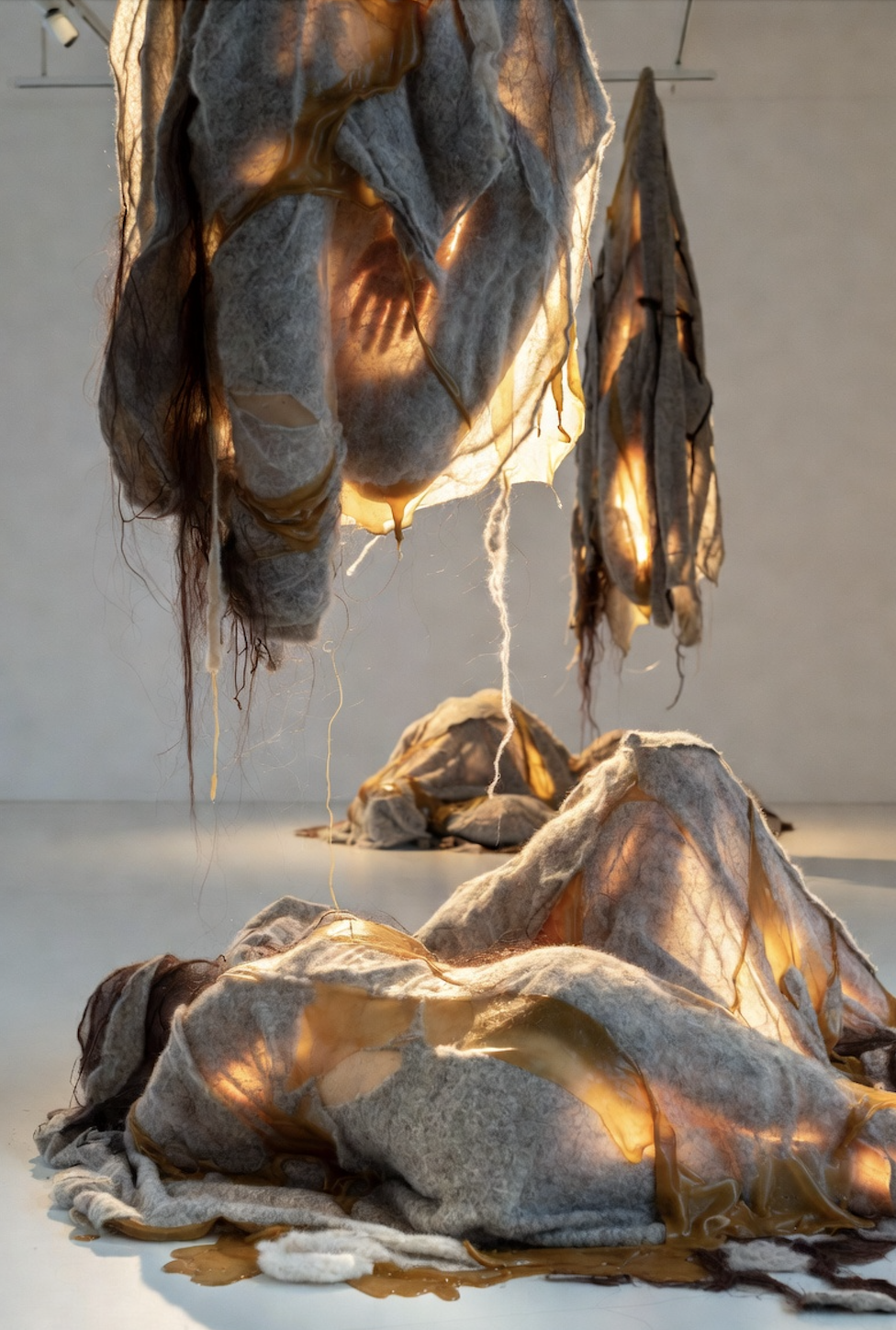
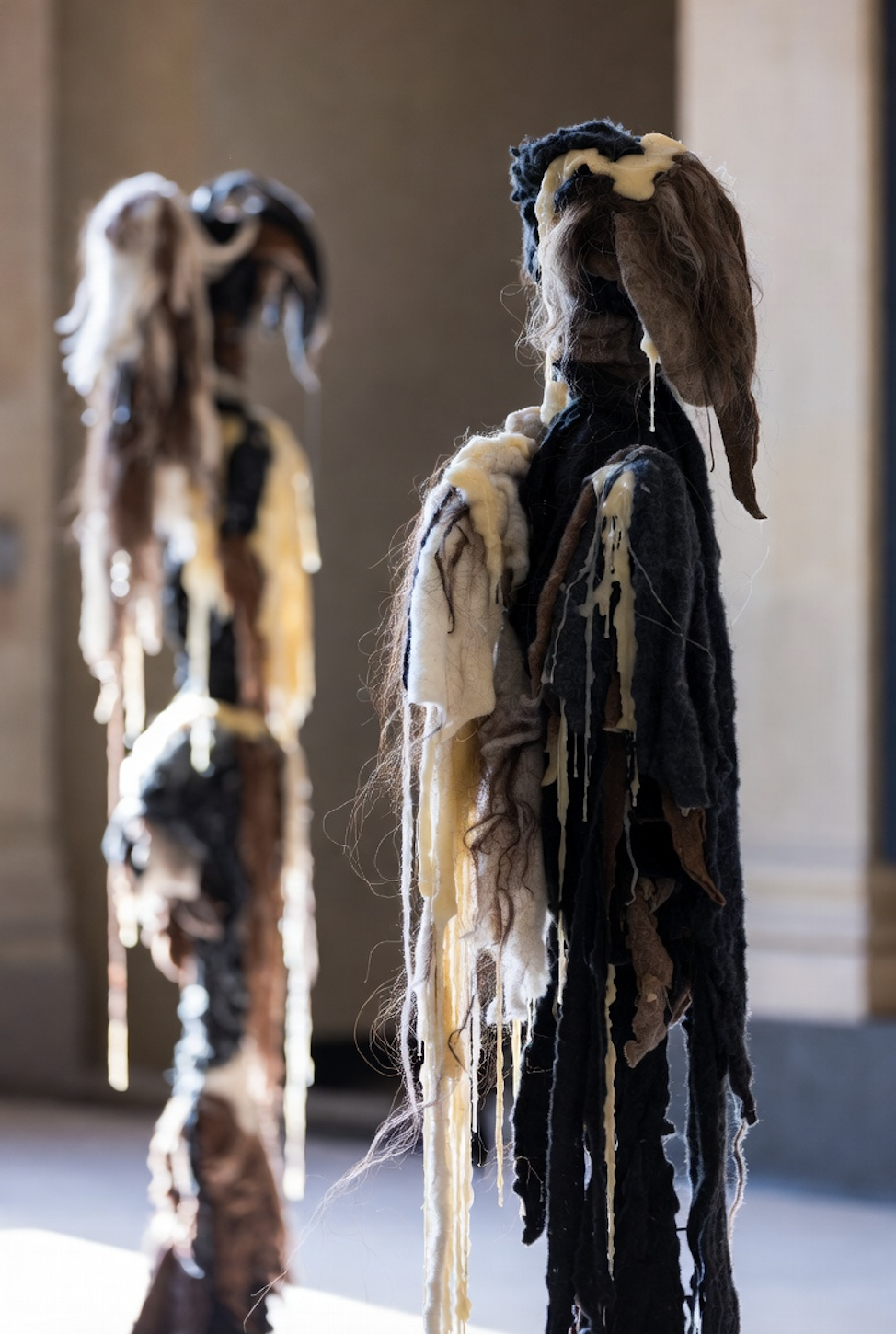
Haut — Sculptural installations in industrial felt, beeswax, and human hair.
All Artists
Gstaad Gallery interior
The Patron

A Curation.

Gstaad Gallery is not a gallery. It is a room in a house. It opens. It closes. Nina Pinault supports artists directly, without representation, without inventory, without walls that stay up.

A small circle of patrons participates. Nothing is for sale here. Everything finds a home elsewhere.

Oldenhornstrasse · By introduction

Enquire
Agnes Gund, Zoom conversation with Nina Pinault, March 2025

Agnes Gund, conversation with Nina Pinault. Remote, March 2025. Photography: Gstaad Gallery Archive.

Conversation · March 2025

Agnes Gund
On Living with Art

Recorded remotely, March 2025 · A private conversation between Nina Pinault and Agnes Gund

Agnes Gund does not give many interviews. She does not need to. Her life has been the work. But in March 2025, she agreed to sit down with Nina Pinault — over Zoom, from her home in New York — to talk about what it means to live with art over decades.

They spoke about Rothko. About Twombly. About the responsibility of a collection. About why you keep some works and let others go. The conversation was unhurried, unpolished, and entirely without agenda.

Art is not an investment. It is a companion. Some companions are easy. Some are not.— Agnes Gund

The recording was made for Gstaad Gallery's private archive. It is shared here with Agnes's permission — a quiet document of a quiet life spent looking.

Archival Feature · December 2024

Living with Art:
Daniel Saffran
& Arno Saffran

Recorded at Gstaad Gallery, December 2024 · Posthumous Tribute

Daniel Saffran (1940–2025) played a formative role in the development of the programme. He did not collect for investment. He collected for company. In December 2024, he sat down with Nina Pinault — and his son Arno — to talk about what it means to live with art over three decades.

They spoke about the Rothko that has never left him. About the Richter he couldn't look at for two years. About the quiet counsel of Guy Wildenstein, who guided his collecting. About why he funded scholarships for young artists at the Royal College of Art — always privately, without announcement.

Don't collect for investment. Collect for company. A painting that only goes up in value is a painting you will sell. A painting that stays with you — that's a companion. You don't sell companions. — Daniel Saffran

Daniel Saffran passed away in 2025. This conversation, recorded at Gstaad Gallery one year before his death, is his final public reflection on a lifetime of looking. The recording is shared here with the permission of the Saffran Estate.

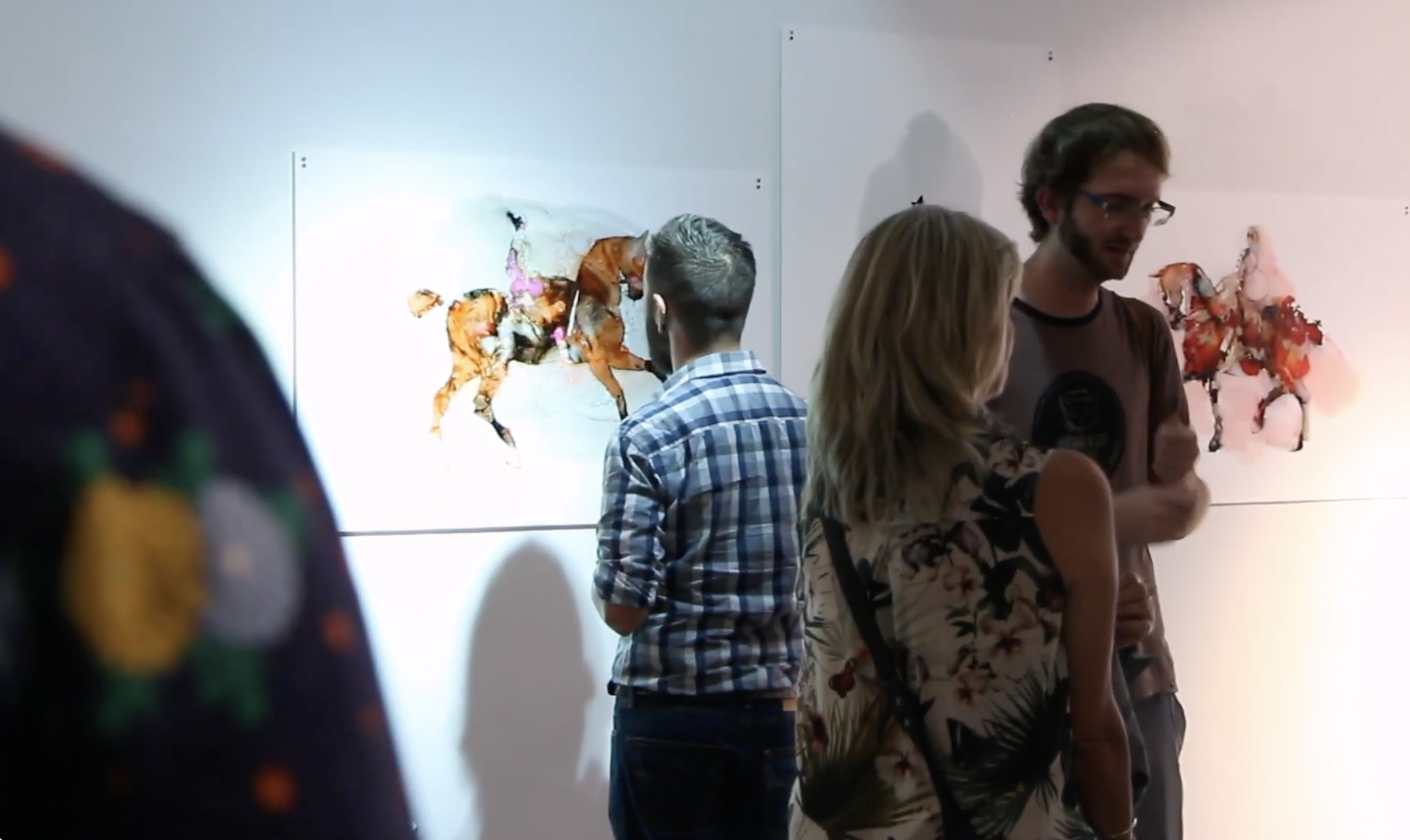
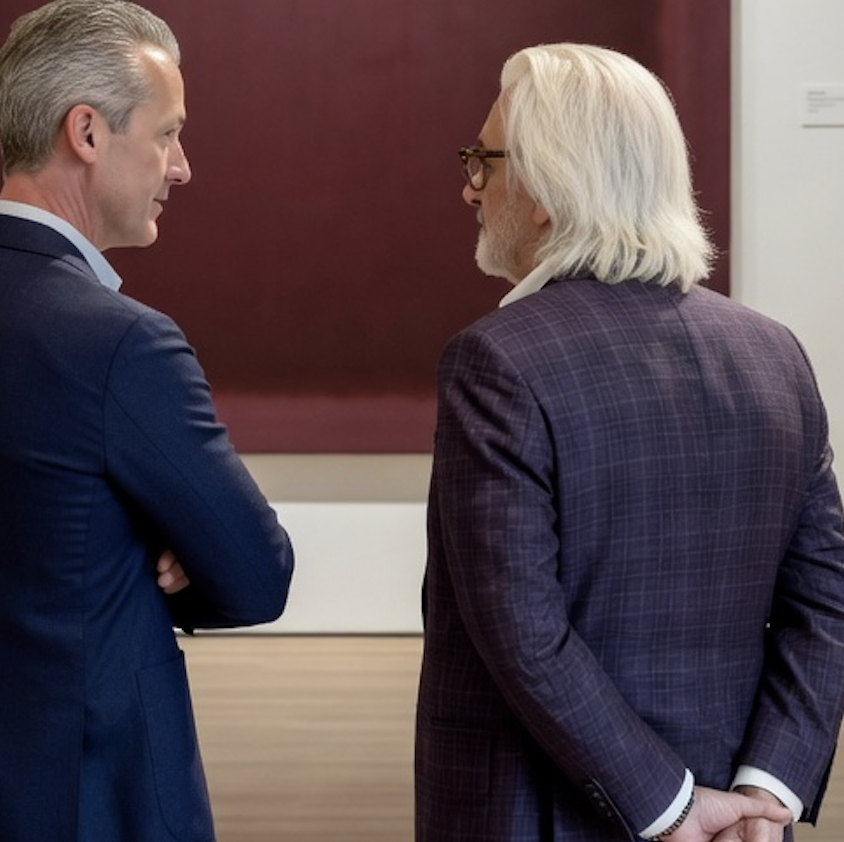
An Evening with Daniel and Arno Saffran, Gstaad Gallery, December 2024

An Evening with Daniel Saffran and Arno Saffran. Gstaad Gallery, December 2024. Photography: Gstaad Gallery Archive.

View Full Feature

Exhibition
History

  • Summer 2025

    Swiss Painting Now

    A survey of emerging Swiss abstraction examining the return to painterly gesture among a new generation of artists.

    Lea Tschudi · Sophie Bär · Anna Ziegler

    Swiss Painting Now
  • Winter 2025–26

    Post‑War Abstraction: Selections from the Saffran Estate

    Works on loan from the estate of Daniel Saffran, including a 1958 Rothko and a 1994 Richter. The first public presentation of this collection since the estate's restructuring.

    Saffran Estate
  • Autumn 2024

    Material Gesture

    Sculpture and installation by German and Austrian artists. The gallery's inaugural exhibition.

    Marlene Hofstetter · Felix Kessler · Julian Bergmann

    Material Gesture
Full Exhibition Records

Emerging Artist Enquiries

The programme unfolds over time. Enquiries are received directly.

"To drift is not to escape. It is to remain open to the wound of beauty."
— Vito, Drift Notes, 2026

Visit by Introduction

Visits are arranged by introduction. Enquiries are received directly.

Contact the Gallery

Press & Enquiries

For press enquiries, editorial requests, and collector introductions, all requests are handled personally by Nina Pinault.

Press Information

Artists

The gallery works with a small number of artists through ongoing relationships with private patrons. These arrangements evolve over time, guided by shared interests in the development and placement of work.

Work by Lukas Brenner

Lukas Brenner

Zurich

Stillstand

Large‑format oil paintings of alpine infrastructure — cable car stations, reservoir dams, mountain huts — drained of human presence, rendered in muted greys and off‑whites. Brenner's canvases describe a landscape rationalised by human use and abandoned by human warmth.

Work by Marlene Hofstetter

Marlene Hofstetter

Berlin

Haut

Sculptural installations made from industrial felt, beeswax, and human hair, exploring touch, memory, and the persistence of trace. Hofstetter's work insists on a material intimacy that unsettles the institutional context in which it is shown.

Work by Sebastian Auer

Sebastian Auer

Vienna

Bruchlinie

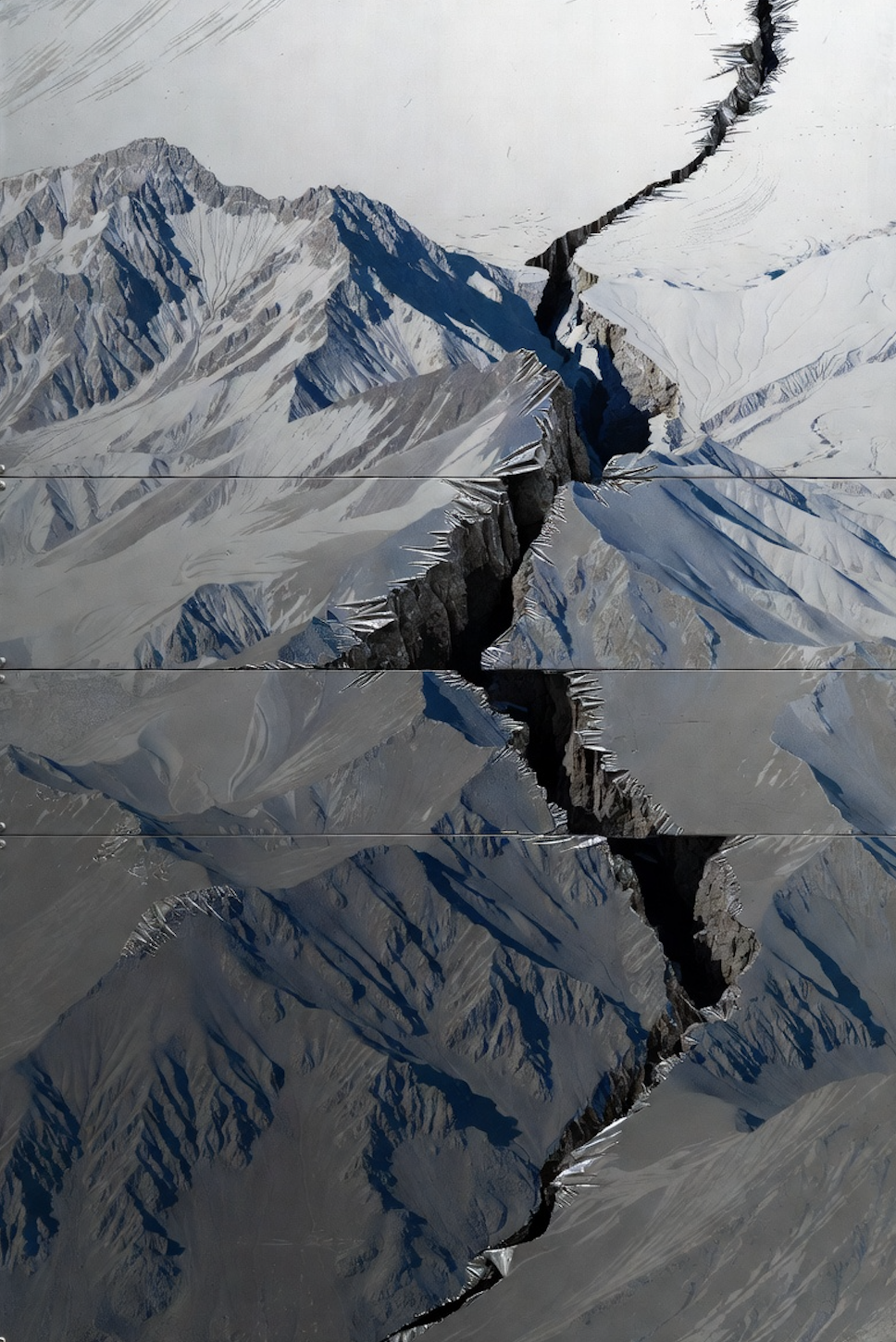
Photographic series of geological fault lines in the Alps, printed on aluminium and partially abraded along the fault line itself. The abrasion makes the landscape's own violence visible in the surface of its representation.

Work by Lea Tschudi

Lea Tschudi

Basel

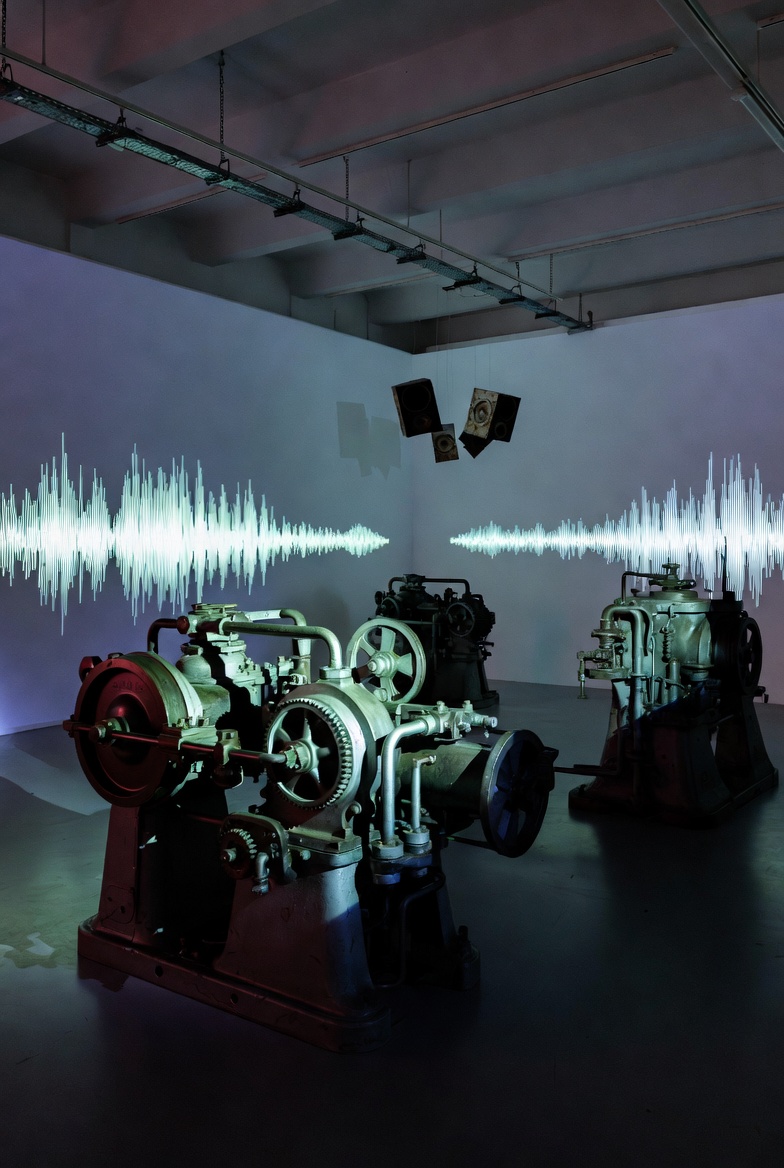
Lärm

Sound installation using field recordings of Swiss factories — textile mills, bottling plants, recycling centres — slowed to near silence. At this velocity the recordings lose their identity as noise and become a kind of sustained, ceremonial breath.

Work by Felix Kessler

Felix Kessler

Leipzig

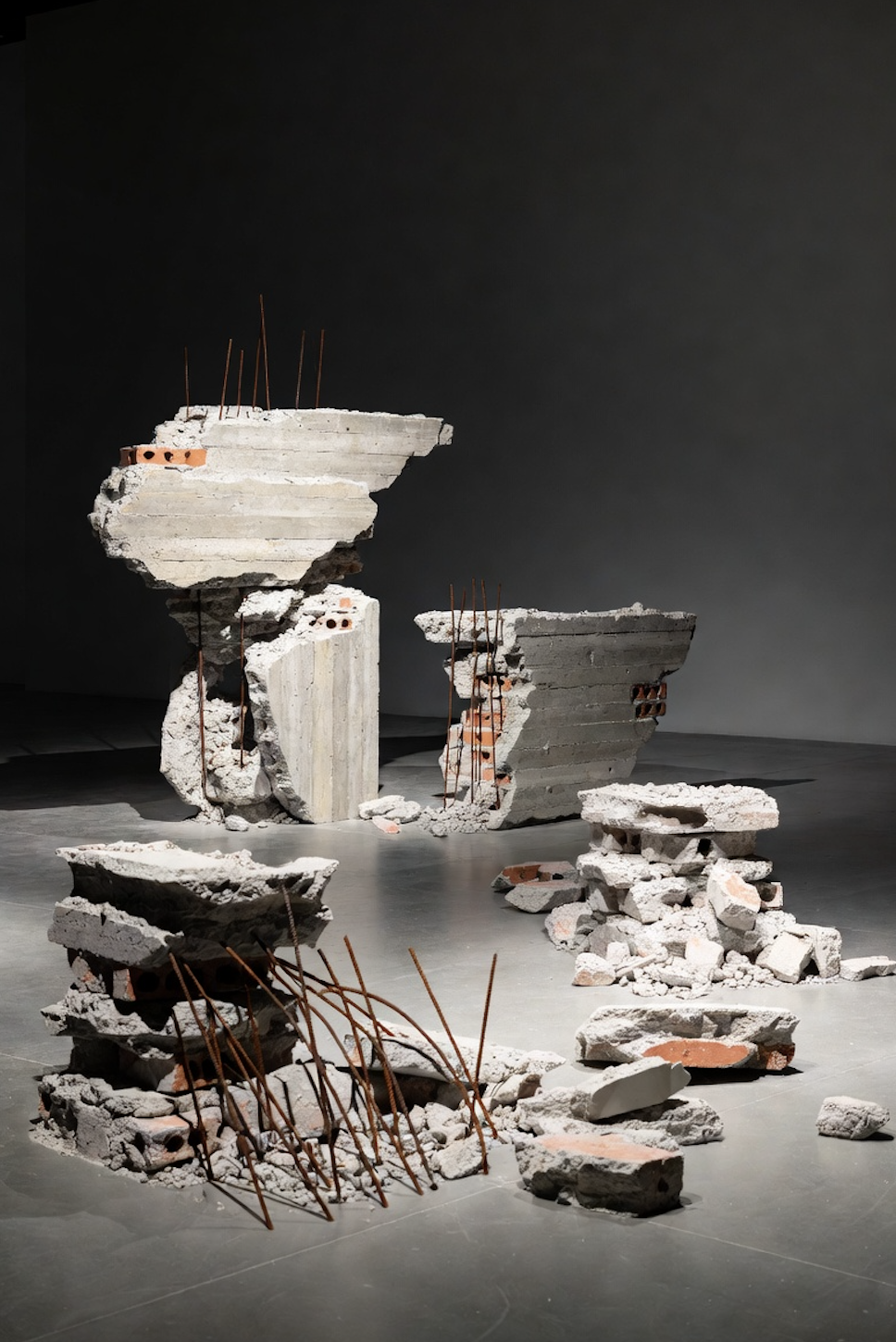
Schutt

Assemblages of demolition debris — brick, plaster, rebar — cast in pigmented concrete, resembling archaeological fragments of a building that never existed. Kessler constructs ruins before constructing buildings.

Work by Nina Weber

Nina Weber

Lucerne

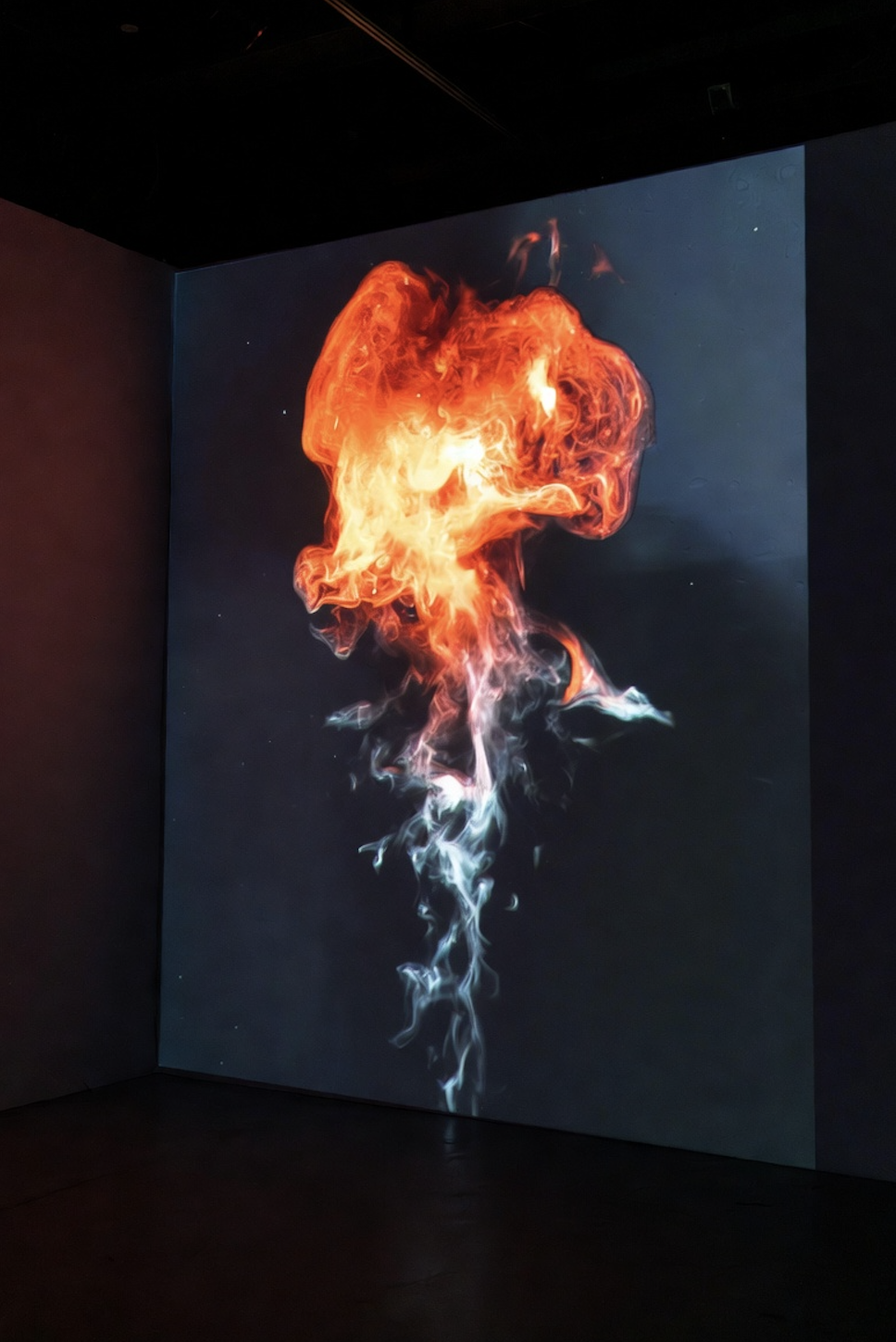
Atem

Video installation of a single breath, filmed in thermal imaging, looped and gradually desaturated over twelve minutes. Weber's work describes the body as a heat signature — present only by its warmth, absent by its cooling.

Work by Julian Bergmann

Julian Bergmann

Cologne

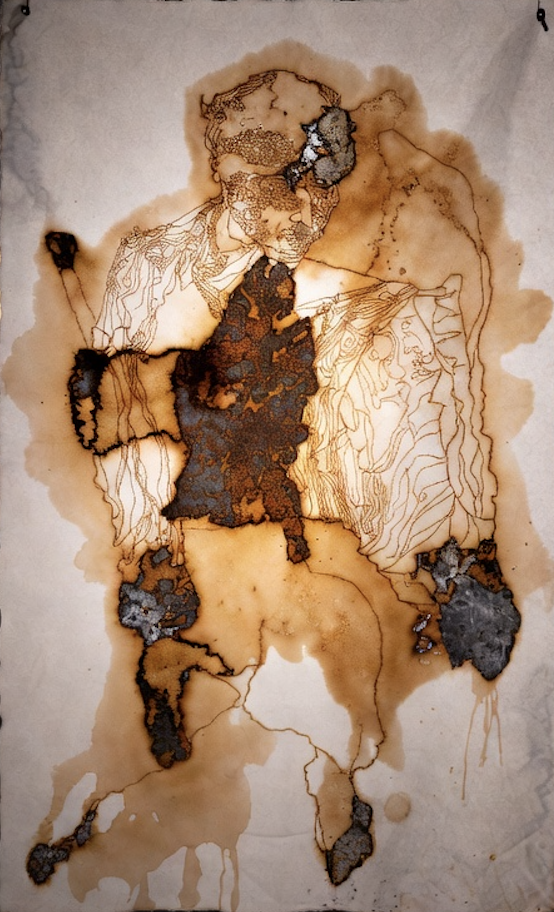
Spur

Works on paper using iron gall ink and rust, designed to oxidise and change over the exhibition's duration. A Bergmann work is never finished; it is only more or less advanced in its transformation.

Work by Sophie Bär

Sophie Bär

Bern

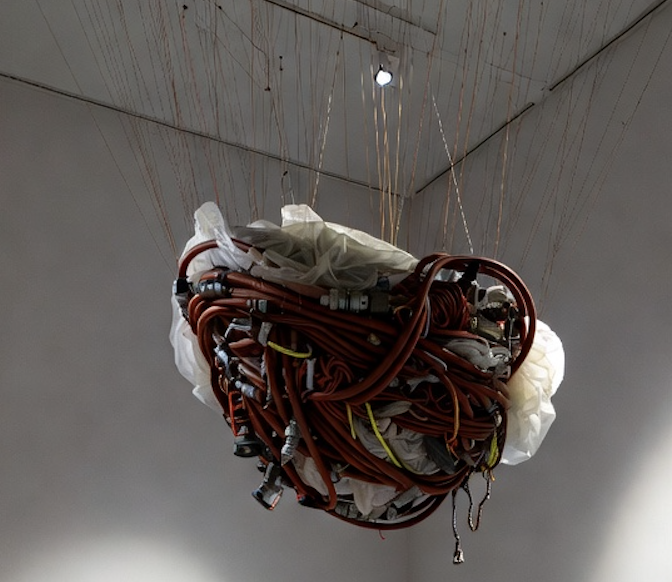
Nest

Woven sculptures from discarded fire hoses, climbing rope, and paraglider fabric, suggesting nests, cocoons, or failed shelters. The materials are those of emergency and adventure — repurposed into forms of rest and containment.

Work by David Meier

David Meier

Hamburg

Kielwasser

A single‑channel film shot from the stern of a container ship travelling from Rotterdam to Basel, projected at floor level. The work positions the viewer in the vessel's wake — looking back, not forward.

Work by Anna Ziegler

Anna Ziegler

Geneva

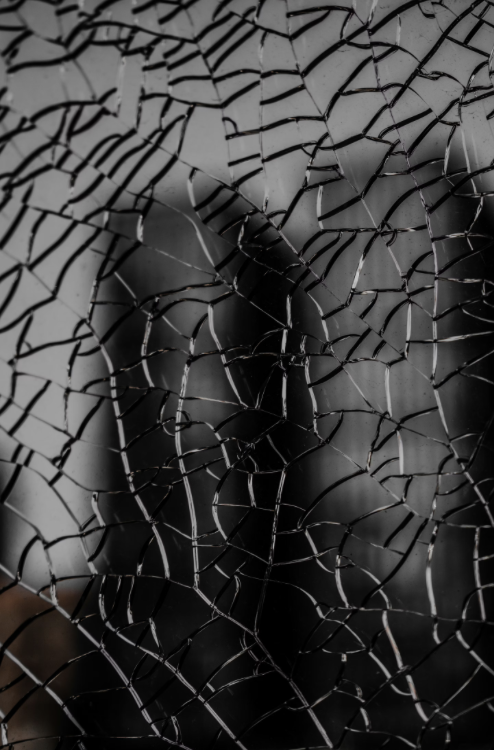
Fenster

Glass panels sandblasted with floor plans of demolished Geneva apartment buildings, allowing light to pass while obscuring the view. The plans describe domestic space in full architectural precision — but no longer enclosing anything.

Art Basel 2026 · Statements

The programme unfolds over time. Enquiries are received directly.

julian@gstaadgallery.com
Programme

Exhibitions

Current Exhibition

Vito: Drift Notes

15 February – 10 June 2026 · Oldenhornstrasse, Gstaad

The act of losing oneself has always been central to Vito's practice — not as failure, but as method. His visual language draws upon Nordic melancholia, North African talismanic signs, and the weathered surfaces of abandoned Mediterranean villas.

Each work in Drift Notes corresponds to a different city and a distinct state of waiting.

"To drift is not to escape. It is to remain open to the wound of beauty."

The exhibition is accompanied by a catalogue with an essay by Hélène Cixous and a conversation between Vito and artist Etel Adnan (in memoriam).

View Artist Profile
Vito: Drift Notes, installation view
Installation view, Vito: Drift Notes, Gstaad Gallery, Gstaad, 2026; Artworks © Vito; Photo by Arlenis Castellano; Courtesy the artist and Gstaad Gallery.

Works in the Exhibition

2008

Hypnopomp Series

Paintings made in the liminal state between sleep and waking. Oil on linen. Dimensions variable.

2017

Salt Line

Pigment and seawater on linen. A coastline rendered in the material of its own erosion.

2024

Stationary Migration

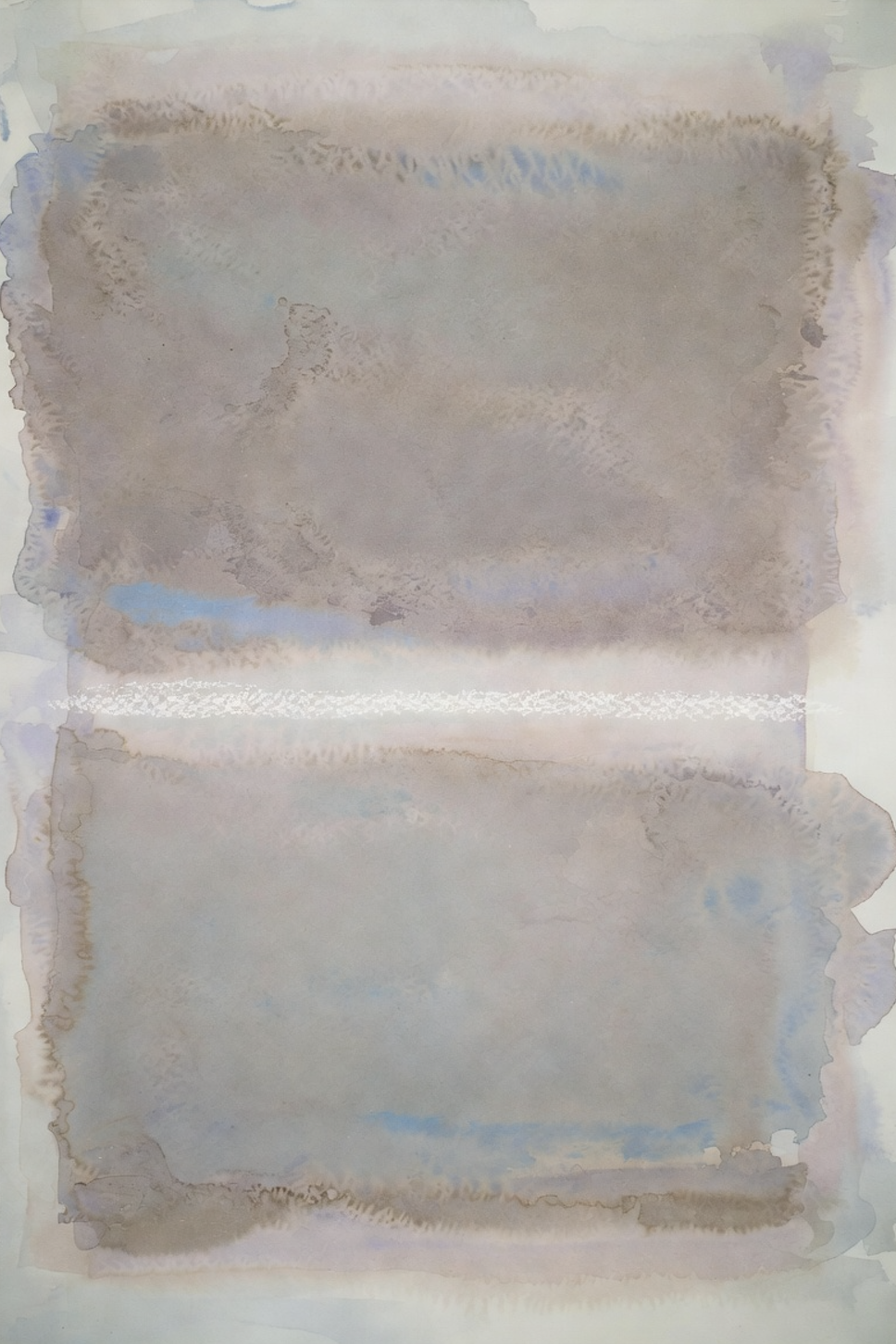
Charcoal diptychs of deserted ferry terminals. On handmade paper, each sheet sourced from a different departure point.

2026

Elegy for a Lighthouse

Large-scale oil on raw canvas. The newest work in the exhibition. Commissioned for and made at Gstaad.

Summer 2025

Swiss Painting Now

A survey of emerging Swiss abstraction, featuring Lea Tschudi, Sophie Bär, and Anna Ziegler. The exhibition examined the return to painterly gesture among a new generation of Swiss artists — not a revival of expressionism, but a cooler, structurally aware engagement with paint as material rather than medium.

Works selected from studio visits conducted over twelve months across Basel, Bern, and Geneva.

Lea Tschudi · Sophie Bär · Anna Ziegler

Swiss Painting Now, 2025

Monday 6 July 2026

Reading & Conversation:
Alpine Dark – Poets and Painters in Saanen

Poet Lukas Zaugg reads from 'Gstaadergrund', a new cycle of prose poems about winter light, empty cable cars, and the silence of the Oberland. He is joined by Saanen-based painter Marianne Studer for a conversation on making art away from the city – solitude, slowness, and the pressure of the mountain.

Free entry. Reservations required. Enquiries: info@gstaadgallery.com

Reading at Gstaad Gallery, July 2026

Autumn 2024

Material Gesture

Sculpture and installation by German and Austrian artists Marlene Hofstetter, Felix Kessler, and Julian Bergmann. The exhibition explored the relationship between material, touch, and the trace of the hand. The gallery's inaugural exhibition.

Hofstetter's felt, Kessler's cast debris, Bergmann's oxidising paper: three practices that share a refusal to separate the object from the act that produced it.

Marlene Hofstetter · Felix Kessler · Julian Bergmann

Material Gesture, 2024

The programme unfolds over time. Enquiries are received directly.

julian@gstaadgallery.com
Enquiries & Documentation

Press

Press Enquiries

For press enquiries, please contact the gallery directly. Access is by introduction. All requests are handled personally by Nina Pinault and responded to within five working days.

Press preview — Vito: Drift Notes: February 14, 2026, by invitation only.

Review copies of the Vito: Drift Notes catalogue (essay by Hélène Cixous) are available on request from Spring 2026.

Contact: info@gstaadgallery.com

Data & Acknowledgements

Market attribution is provided by Hammer Index.

Catalogue texts are prepared independently of commercial considerations. No works in the gallery's exhibitions have been offered for sale during their run.

The programme unfolds over time. Enquiries are received directly.

Press Highlight · December 2024

Living with Art: Daniel Saffran and Arno Saffran

Gstaad Gallery, December 2024 · Posthumous Tribute

Daniel Saffran (1940–2025) played a formative role in the development of the programme. Recorded in December 2024, this conversation offers a rare account of a way of collecting shaped by discretion, continuity, and long-term commitment.

Media enquiries regarding the Saffran Estate, the archival recording, or the transcript may be directed to the gallery.

ArtforumThe Burlington MagazineMonopol
Full Transcript
"You don't buy paintings. You buy the questions you cannot answer alone."
— Daniel Saffran (1940–2025)

Supporters & Partners

Gstaad Cultural Office

Institutional Partner

Hammer Index

Market Data Partner

Private Lenders

Tokyo · Geneva · Zurich · London

Saffran Estate

Collection Lender, Winter 2025–26

Art Basel · Statements

Programme Partner, 2026

Vito / The Artist

Featured Exhibition, 2026

Get in Touch

Contact

Gstaad Gallery is a private exhibition space within a Gstaad residence. Visits are arranged by introduction. Enquiries are received directly.

Nina Pinault divides her time between Geneva, London, and Gstaad. The gallery in Gstaad is closed more often than it is open. Enquiries are answered personally, but not quickly. This is intentional.

GalleryGstaad Gallery
Nina Pinault Projects
AddressOldenhornstrasse · Gstaad
Private residence · By introduction
DirectorNina Pinault
AccessBy introduction only
SeasonsThe programme unfolds over time
Conversation · March 2025

A Zoom with Agnes:
On Living with Art

Recorded remotely · March 2025 · New York / Gstaad

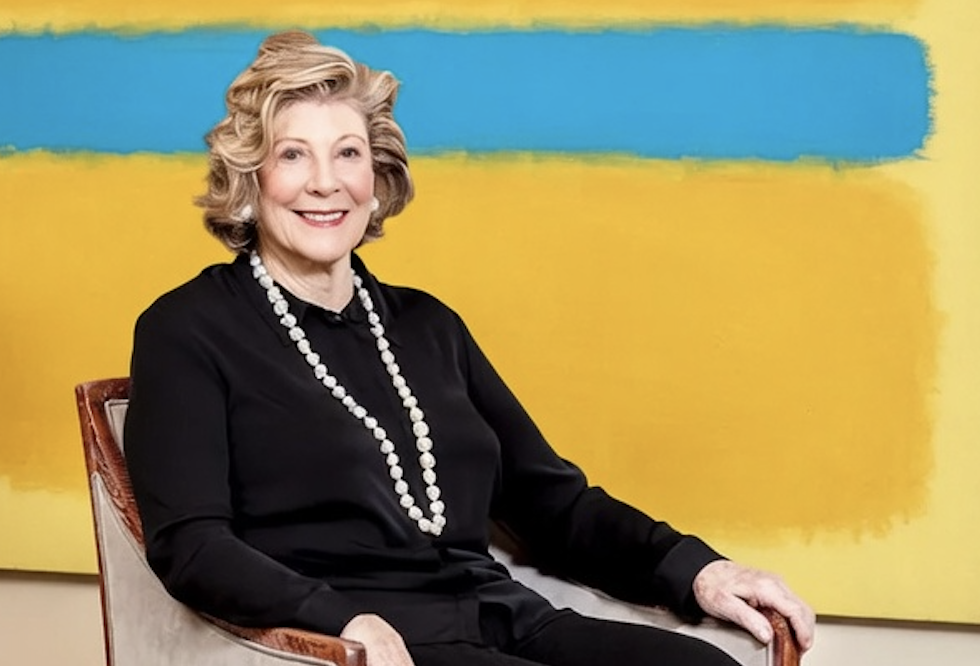
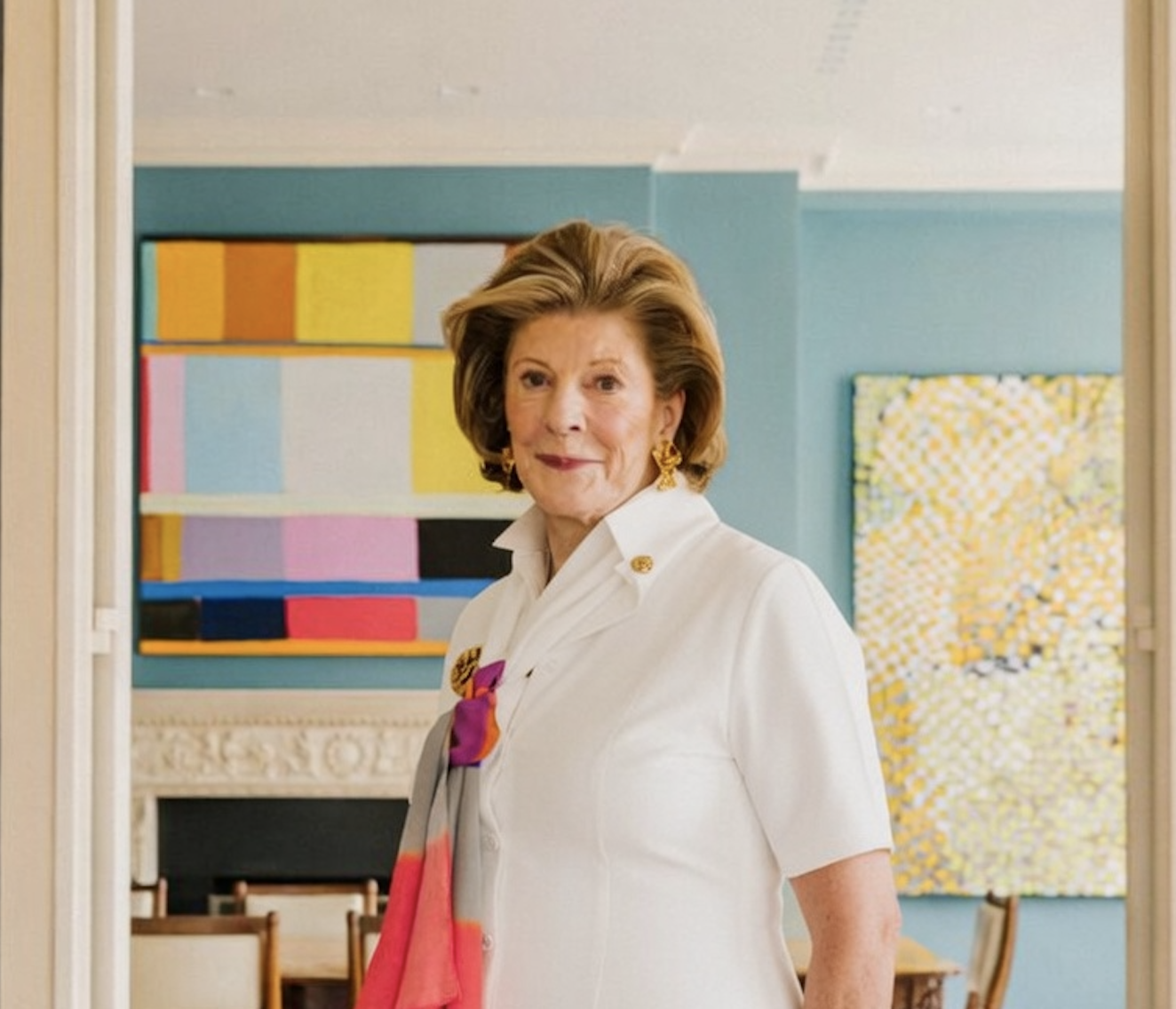
Agnes Gund in her home, New York

Agnes Gund at home in New York, 2023. Photography: Gstaad Gallery Archive.

Agnes Gund — collector, patron, president emeritus of MoMA

A life spent looking

Agnes Gund joined MoMA's International Council in 1967 — the same year she bought her Rothko directly from the artist. She became the museum's president, a position she held for eleven years. In 2017, she sold a Lichtenstein to establish the Art for Justice Fund. She does not give many interviews. This conversation, recorded for Gstaad Gallery's private archive, is a rare exception.

A Zoom with Agnes Gund: On Living with Art

Conversation · March 2025
Recorded remotely between Nina Pinault in Gstaad and Agnes Gund in New York. Unedited transcript excerpt from the Gstaad Gallery archive.

Nina Pinault: You've lived with art longer than most people have lived with anything. I'm interested in the beginning — not the first acquisition, but the first moment you realised art would stay.

Agnes Gund: It wasn't dramatic. I think that's important to say. People like to imagine a kind of revelation. It wasn't that. It was slower. I found that I didn't tire of looking. That was the first sign. Most things you grow tired of. Art — the right work — resists that.

Nina Pinault: And yet you chose difficult work. Not decorative work.

Agnes Gund: I don't trust easy things. If a painting gives itself to you immediately, it usually leaves just as quickly. The works that stayed with me — the ones I kept — were the ones that didn't resolve.

(Pause)

Agnes Gund: I bought a painting by Mark Rothko in 1967. I went to his studio. It was quiet. He didn't say very much. I didn't say very much either. I chose the painting almost without understanding why.

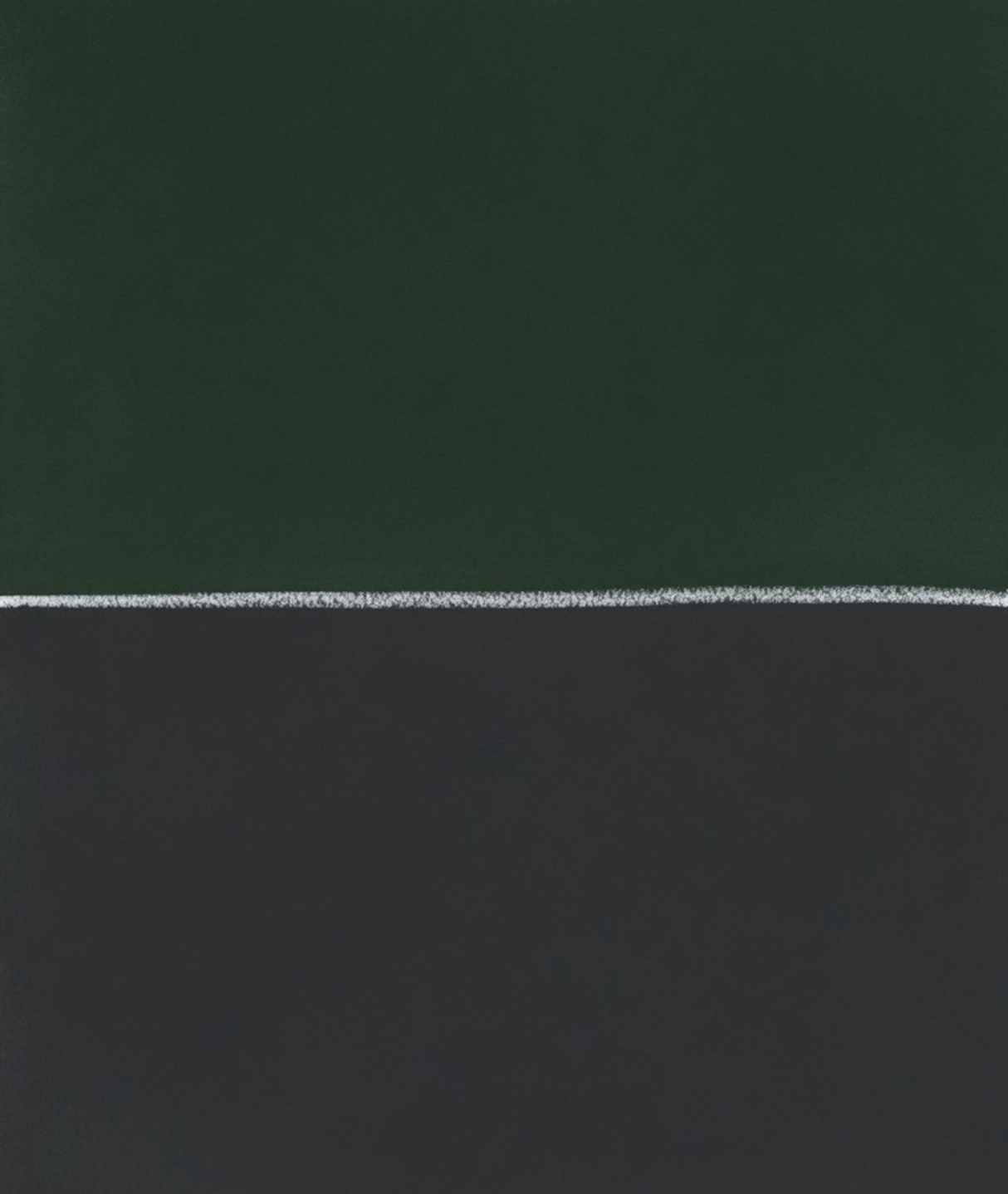
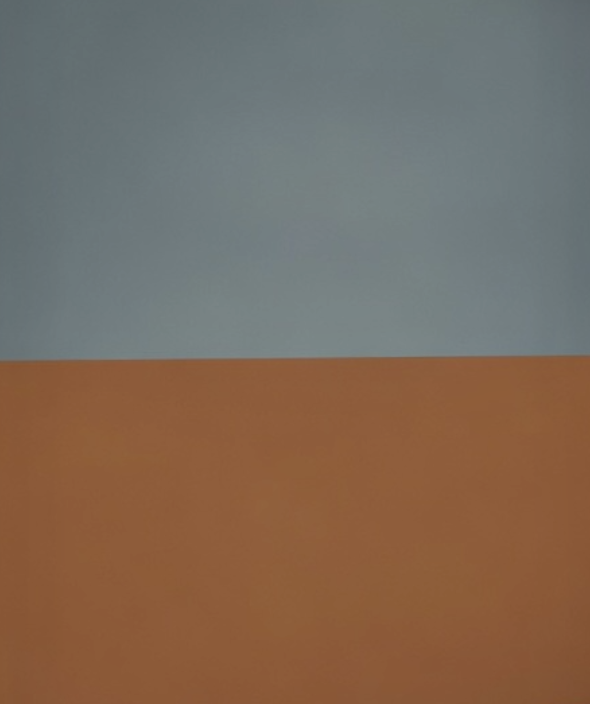
Nina Pinault: No. 15 (Two Greens and Red Stripe).

Agnes Gund: Yes. I've lived with it ever since.

Nina Pinault: Has it changed?

Agnes Gund: No. I have.

Nina Pinault: There's a mythology around your collection — that it was built with certainty. But listening to you, it sounds closer to doubt.

Agnes Gund: It should be. If you're certain, you stop looking. Collecting isn't about acquiring objects. It's about sustaining attention over time. That's much harder.

Nina Pinault: You've kept works for decades. Others, you've let go — sometimes very deliberately.

Agnes Gund: Letting go is part of it. People don't like to talk about that. But a collection isn't a vault. It's a structure that breathes. You make space. Sometimes for other works. Sometimes for other people.

Nina Pinault: You sold Masterpiece (1962) by Roy Lichtenstein to start the Art for Justice Fund.

Agnes Gund: Yes.

Nina Pinault: That's a very different kind of decision.

Agnes Gund: Not really. It comes from the same place. You live with a work long enough, and eventually it asks something of you. Not emotionally — structurally. What is this for? Who is it for? At some point, the answer can't just be "me."

Nina Pinault: You were deeply involved with Museum of Modern Art — not just as a supporter, but shaping its direction.

Agnes Gund: Institutions matter. They hold memory in a way individuals can't. But they also need pressure. They need people insisting that the collection expands — not just physically, but intellectually.

Nina Pinault: You pushed for more women artists. More artists of colour.

Agnes Gund: It wasn't pushing. It was correcting. The work existed. It simply wasn't being seen properly.

Nina Pinault: I'm interested in how you lived with these works physically. Not conceptually — but in rooms, in houses, over years.

Agnes Gund: You don't "place" a work once. That's a mistake people make. A painting moves. You move it. It follows your life in a way.

Nina Pinault: Even something like the Rothko?

Agnes Gund: Especially the Rothko. There were periods I couldn't look at it. It was too present. Too insistent.

(Pause)

Agnes Gund: And then there were periods I couldn't be without it.

Nina Pinault: You collected across very different practices. Cy Twombly, Jasper Johns, Joseph Cornell…

Agnes Gund: They're not so different.

Nina Pinault: No?

Agnes Gund: They all deal with memory. Not in a literal way. But in how something accumulates. Twombly's marks — they feel like something remembered but not fully retrieved. Cornell — that's memory assembled. Johns — that's memory held at a distance.

Nina Pinault: And Rothko?

Agnes Gund: That's memory without image.

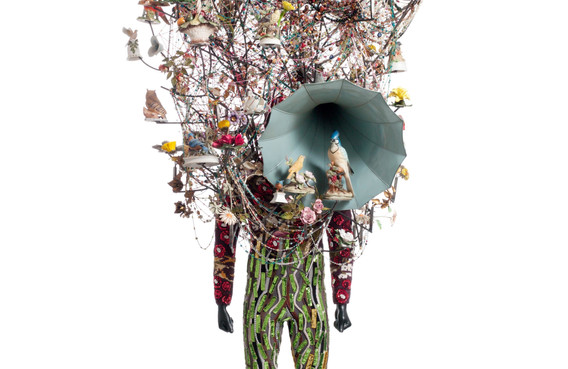
Image: 'Cave Soundsuit' A gift from Agnes Gund, celebrates Gund's contributions as a patron of the arts, a collector, and a longtime Trustee of The Museum of Modern Art and MoMA NYC.

Nina Pinault: What have you learned, after all these years?

(Long pause)

Agnes Gund: That you don't "learn" art. You accommodate it. Slowly. Over time, it rearranges how you see everything else.

Nina Pinault: That sounds almost like a burden.

Agnes Gund: It can be.

(Pause)

Agnes Gund: But it's also a privilege. To live with something you don't fully understand — and not need to resolve it.

Nina Pinault: If you were starting again now, would you collect differently?

Agnes Gund: No.

Nina Pinault: Not at all?

Agnes Gund: I would just pay closer attention, earlier. That's all.

Nina Pinault: Last question. What makes a work stay?

Agnes Gund: It refuses to leave.

(Silence)

Agnes Gund: Not physically. You can sell it. Donate it. Lose it. That happens. But something remains. A way of seeing. A way of thinking. That's the real collection.

"I have had that painting for fifty-eight years. I still don't know what it means. But I know I can't be in a room without it." — Agnes Gund on her 1967 Rothko

End of transcript · Gstaad Gallery Archive · Shared with permission

Selected Excerpts

The Twombly — I bought it because it looked like Rome. The light. The chaos. The beauty that doesn't ask for permission.— Agnes Gund, on Cy Twombly's Untitled (1961)
Selling the Lichtenstein was not a loss. It was a release. The painting became something else. It became reform. It became justice. That is more than any object can hope to be.— Agnes Gund, on Masterpiece (1962) and the Art for Justice Fund
I don't collect for the future. I collect for now. Tomorrow the painting will ask something new. That is the agreement.— Agnes Gund

A Note from the Gallery

This conversation was not intended for publication. It was a private exchange between two people who share a way of being with art — patient, questioning, without need for resolution.

Agnes Gund approved the sharing of this transcript with the understanding that it would remain unpolished. No edits. No press quotes. Just the conversation as it happened.

The recording remains in Gstaad Gallery's private archive. For access enquiries: info@gstaadgallery.com

Archival Feature · In Memoriam

Living with Art:
Daniel Saffran
& Arno Saffran

Recorded at Gstaad Gallery, Gstaad · December 2024

Gstaad Gallery, December 2024

Gstaad Gallery, December 2024. Photography: Gstaad Gallery Archive.

Daniel Saffran (1940–2025) played a formative role in the development of the programme.

1940 – 2025

Daniel Saffran was a private collector, a close friend of Guy Wildenstein, and a man who spent thirty years learning to live with two paintings. He passed away in 2025. This conversation, recorded at Gstaad Gallery one year before his death, is his final public reflection on a lifetime of looking.

Living with Art: A Conversation with Daniel Saffran and Arno Saffran

Conversation · December 2024
Recorded at Gstaad Gallery, Gstaad. Unedited transcript excerpt from the Gstaad Gallery archive.

Nina Pinault: Daniel, you've lived with these two works — the Rothko and the Richter — for a very long time. Thirty years. That's not casual.

Daniel Saffran: No. It's not casual. It's never casual. People think that because you own something, you possess it. You don't. The painting possesses you. Or at least, it occupies a part of you that you didn't know existed.

Nina Pinault: Tell me about the Rothko. How did you find it?

Daniel Saffran: I didn't find it. It found me. I was in Basel, in a private apartment. Evening. I was not expecting to see anything that evening. And there it was. I spent three hours in front of it. I didn't take notes. I didn't photograph it. I just looked.

Nina Pinault: Three hours?

Daniel Saffran: Three hours. The owner left me alone with it. He understood. Some paintings require silence.

(Pause)

Daniel Saffran: I bought it the next morning. I have never regretted it. Not once.

Nina Pinault: And the Richter? That came later.

Daniel Saffran: The Richter came through Guy. Guy Wildenstein. He said, "There is a painting you should see." I trusted him. He had guided me before. He knew what I could live with.

Nina Pinault: What did Guy understand about you?

Daniel Saffran: That I didn't want to be comforted. I wanted to be challenged. The Rothko challenges you quietly. The Richter challenges you loudly. It is a different kind of presence.

Nina Pinault: You've said that you stopped looking at the Richter for two years.

Daniel Saffran: I did. Every time I looked at it, I felt uncertain. I don't like feeling uncertain. So I stopped looking at it. But it was still there. In the room. In the house. I knew it was there. That was enough.

Nina Pinault: And then?

Daniel Saffran: And then I started looking again. It hadn't changed. I had.

Nina Pinault: Arno, when did you realise that your father's collection was not just a collection?

Arno Saffran: Late. Later than I should have. When you grow up with something, you don't see it. The Rothko was always there. The Richter was always there. I thought every house had paintings like that. I was wrong.

Nina Pinault: When did you understand?

Arno Saffran: When I brought a friend home from university. He stopped in the doorway. He couldn't speak. That's when I understood.

Nina Pinault: Daniel, you've been a quiet supporter of emerging artists. Scholarships to the Royal College of Art. Support for young artists in Switzerland. Always privately. Why?

Daniel Saffran: Because art doesn't need announcements. It needs time. Money buys time. I could give time. So I did.

Arno Saffran: My father didn't believe in announcements. He believed in cheques. And in showing up. He would go to studios. He would sit on the floor. He would look. He didn't advise. He just listened.

Nina Pinault: Did any of those artists know who he was?

Arno Saffran: Some did. Most didn't. That was the point.

Nina Pinault: Daniel, what would you say to someone who wants to start collecting today?

Daniel Saffran: Don't collect for investment. Collect for company. A painting that only goes up in value is a painting you will sell. A painting that stays with you — that's a companion. You don't sell companions.

Nina Pinault: And if you had to choose between the Rothko and the Richter?

Daniel Saffran: I wouldn't. You don't choose between children.

(Laughter)

Daniel Saffran: But if you forced me — the Rothko. It came first. It taught me how to see the Richter.

Nina Pinault: Arno, you inherit this. What does that mean to you?

Arno Saffran: It means I don't own them. I hold them. There's a difference.

Nina Pinault: Will you keep them?

Arno Saffran: Yes. For now. For as long as I can. My father didn't collect for me. He collected for himself. But I am grateful to be the one who keeps looking.

Nina Pinault: Last question for you, Daniel. What have these paintings taught you?

(Long pause)

Daniel Saffran: That you don't need to understand something to love it. That uncertainty is not failure. That a painting can hold more than you can carry.

Nina Pinault: That's three things.

Daniel Saffran: I had thirty years. I could give more.

"I would not part with it even if I were to lose everything. Some things are not for sale. They are for keeping." — Daniel Saffran, on his 1958 Rothko

End of transcript · Gstaad Gallery Archive · Shared with permission of the Saffran Estate

Selected Excerpts

I would not part with it even if I were to lose everything. Some things are not for sale. They are for keeping.— Daniel Saffran, on his 1958 Rothko
Every time I looked at it, I felt uncertain. I don't like feeling uncertain. So I stopped looking at it for two years. It was still there.— Daniel Saffran, on his 1994 Richter
My father didn't believe in announcements. He believed in cheques. And in showing up.— Arno Saffran, on his father's patronage
You don't inherit paintings. You inherit questions. What do you keep? What do you lend? What do you let go? My father left me no answers. Only the obligation to ask.— Arno Saffran, on inheritance
Don't collect for investment. Collect for company. A painting that only goes up in value is a painting you will sell. A painting that stays with you — that's a companion. You don't sell companions.— Daniel Saffran
A Note from the Gallery

This evening was not planned as a public event. It was arranged as a private gathering between Daniel Saffran, his son, and a small number of collectors and friends. The recording was made with Daniel's knowledge and consent.

Following Daniel's passing in 2025, Arno Saffran and the estate gave their permission for the recording and this transcript to be made available through the gallery as an archival resource.

We are grateful for their trust, and for Daniel's willingness — in the last year of his life — to speak plainly about what it meant to spend thirty years looking.

Daniel Saffran passed away in 2025. This conversation remains his final public reflection on a lifetime of looking. For collection and estate enquiries: info@gstaadgallery.com